Choosing Between Aluminum, Steel, Wood, Fiberglass, and Vinyl
There's no single best frame material, only the one that fits your house, your climate exposure, and how much upkeep you want.
September 15, 2026 · 3 min read
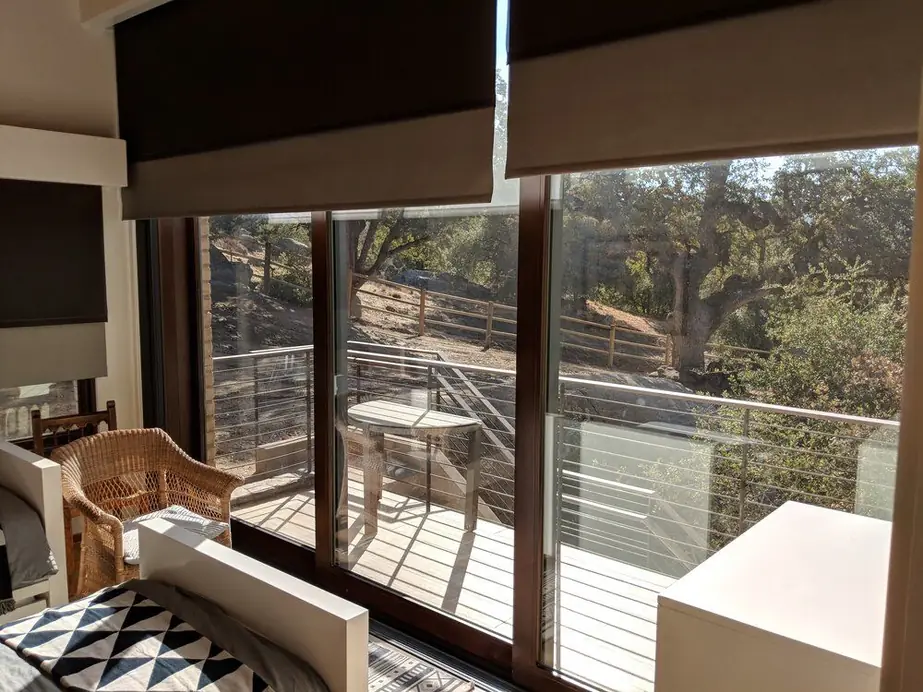
Every material we carry has a real strength and a real tradeoff. Nobody in our showroom pushes one material as universally best, because it isn't true. The right answer depends on the house it's going into, the direction it faces, and how much maintenance the owner actually wants to keep up with. Here's an honest walk through each one.
Aluminum: for a modern, low-profile look
Aluminum's real strength is its strength-to-weight ratio. That lets manufacturers build slimmer frames and larger glass areas without the frame flexing or sagging, which is exactly why it shows up so often on modern hillside homes with big view walls. It's also naturally corrosion resistant, which matters near the coast. The tradeoff is thermal performance: aluminum conducts heat and cold more readily than the other materials here, so glazing package and thermal breaks in the frame design matter more with aluminum than with most other options.
Steel: for security and a slim, dramatic sightline
Steel is the strongest material on this list, which is why it pairs so well with a large pivot door or a big sliding wall of glass where the frame needs to carry real structural load. It also has genuinely superior fire resistance and security compared to lighter materials. The look is distinctive too, a slim black steel sightline reads very differently than a bulkier vinyl or wood frame, which is part of why it's become such a strong choice for contemporary Southern California architecture. The tradeoff is cost and weight; steel systems are a bigger investment and need a frame and opening built to handle that weight.
Wood: for warmth, character, and genuine insulation
Wood is the material people reach for when they want a window or door that feels warm rather than engineered, and it earns that reputation honestly: it's a naturally good insulator on its own, before any additional glazing package is factored in. The wood we carry is sourced from sustainably-harvested stock. The tradeoff is upkeep. Wood exposed to direct sun and coastal moisture needs more periodic maintenance, refinishing, resealing, than the other four materials here, which is exactly why wood-clad exists as an alternative.
Wood clad: wood's warmth without wood's maintenance schedule
A wood-clad window or door puts a durable aluminum or vinyl exterior on the weather-facing side and keeps the wood interior where you actually see and touch it day to day. That's a genuinely practical compromise for a lot of San Diego homes: low-maintenance outside where the coastal air and sun do the most damage, warm and customizable inside where it doesn't matter. It's a strong middle option for owners who love the wood look but don't want the recurring maintenance of an all-wood exterior.
Fiberglass and vinyl: engineered for longevity and value
Fiberglass is built to resist warping, rotting, and corrosion over a long service life, and it can be painted any exterior color, which makes it flexible for matching an existing house rather than the house having to match the window. Vinyl is the most cost-effective option here, low-maintenance with strong insulation and noise reduction, and it's commonly available in double- or triple-paned, inert-gas-filled configurations for owners focused on energy performance and budget together. Neither material has the architectural presence of steel or the warmth of wood, but both are honest, durable choices when performance and value matter more than a particular look.
Where the brand behind the material fits in
The material is only half the decision. The six manufacturer lines we carry, Marvin, Fleetwood, Euroline, Lincoln, Andersen, and Arcadia, each build differently within these same five material categories, so a Marvin wood window and an Andersen wood-clad window aren't interchangeable just because they share a base material. Sightline width, hardware options, and available configurations all vary by manufacturer. This is exactly why we like to walk a customer through actual samples in the showroom rather than let a single word like "steel" or "wood" stand in for the whole decision.
A rough way to think about it
- Big glass walls and a modern hillside look: aluminum or steel, depending on budget and how dramatic you want the sightline.
- Warmth and character, and you don't mind upkeep: solid wood.
- Warmth you can see with less maintenance outside: wood clad.
- Value, durability, and flexibility on exterior color: fiberglass or vinyl.
If you're still not sure, that's a completely normal place to start. Bring a photo of your house and tell us what's bothering you about the current windows or doors, and we'll walk through which material actually answers that, rather than which one is trending.
Builder's Window Supply, (858) 222-6494
Call (858) 222-6494More articles
What New Windows Actually Change in a San Diego House
Before you order anything, it helps to know exactly what a window replacement does and doesn't fix.
The Window Order Mistakes That Cost the Most
A window order has more decision points than people expect, and a few of them are hard to undo once the glass ships.