What New Windows Actually Change in a San Diego House
Before you order anything, it helps to know exactly what a window replacement does and doesn't fix.
September 15, 2026 · 4 min read
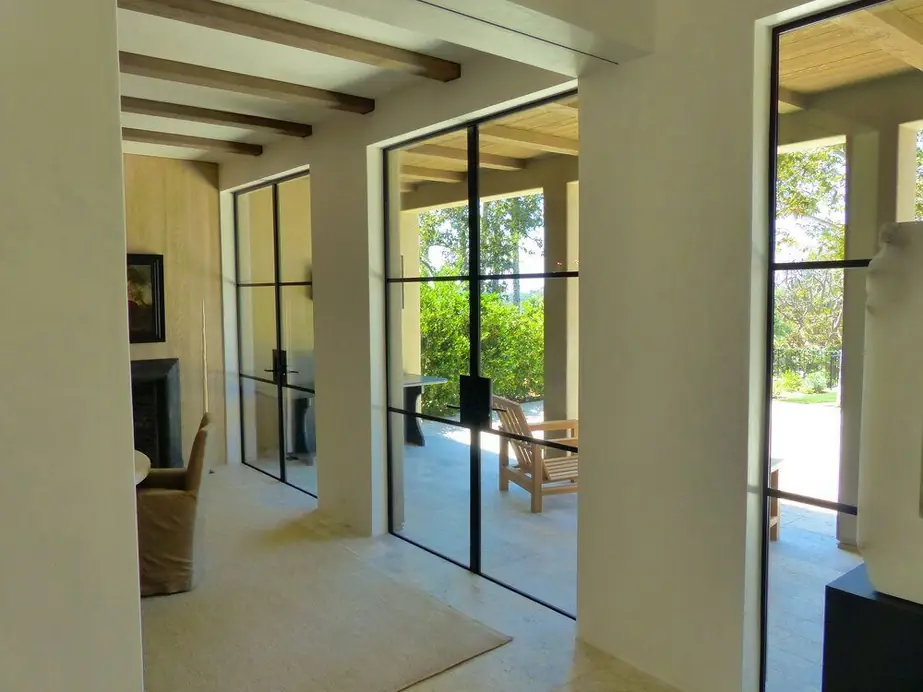
Most homeowners call us because one window finally failed: a stuck sash, a fogged pane, a frame that lets in a draft every time the coastal wind picks up. That one bad window is usually the reason for the visit, but it's rarely the whole story. Once we start walking a house with an owner, the same handful of changes come up again and again. Here's what actually shifts when the old windows come out.
The house gets quieter first
This is usually the first thing people notice, and it surprises them. San Diego doesn't feel like a loud city until you replace a few single-pane windows with a modern dual-pane unit and stand in the room. Traffic on Sorrento Valley Road, a neighbor's leaf blower, the marine layer wind against a hillside lot: older glass and older weatherstripping let all of it through. Newer sash and frame systems seal tighter and the glass itself does more of the work, so the change isn't subtle. Homeowners who work from home tell us this is the change they notice most in the first week.
Rooms stop having a hot side and a cold side
In a lot of older stucco houses around here, one room runs warm in the afternoon and another never quite catches up, even with the same thermostat setting for the whole house. That's often old glass and an old frame losing the fight against direct sun on one exposure and coastal air on another. A tighter, better-glazed window doesn't just cut a utility bill somewhere down the line, it evens the house out day to day. We hear this from customers on hillside lots more than anywhere else, since those homes tend to have one wall that takes the sun hard all afternoon.
Condensation and fog on the glass disappear
If a window fogs between the panes, that seal has already failed and it isn't coming back. It's cosmetic until it isn't: moisture trapped in a failed seal can eventually work its way into the surrounding frame and trim. Replacing that unit clears the fog and the risk at the same time. This is one of the more common reasons people walk into our Sorrento Valley showroom in the first place. It's also one of the easier problems to spot from the street, which is part of why it bothers owners enough to finally act.
The house looks different from the curb, not just from inside
Owners tend to focus on comfort and quiet, and then they're caught off guard by how much a full set of new windows changes the house's face. Slimmer steel or aluminum sightlines read completely differently than a thick, dated vinyl frame from the 1990s. On a modern remodel this can be the difference between a house that looks finished and one that still reads unfinished no matter what else has been done to it.
What doesn't change on its own
New windows are not a substitute for good flashing, proper installation, or a house that's otherwise sealed and insulated well. A beautiful window installed against a bad opening will still leak air around the frame. This is exactly why we talk through the opening and the installer's plan with every customer before an order goes in, not just the glass and frame product itself. A few things worth knowing before you order:
- The window product changes comfort and noise; the installation quality changes whether that comfort actually holds up over time.
- A mismatched frame material against the existing stucco or trim can leave a visible seam that no amount of caulking fully hides.
- Ordering room by room, rather than the whole house at once, is fine, but it means living with a visible mismatch until the rest catches up.
The change is gradual in a few places too
Not everything shows up in the first week. Certain glazing packages cut down on how much direct sun fades flooring, furniture, and artwork near a window over the years, which is the kind of change an owner usually only notices in hindsight, comparing a sun-facing room to one that's stayed shaded. On a hillside or canyon-facing lot with long afternoon exposure, this is worth asking about at the showroom, since not every glazing package handles it the same way.
Where to start if you're not sure yet
You don't need to know your frame material or glazing package before your first conversation. Most people who walk into our showroom start with one bad window and a general sense that the house should feel different than it does. We'd rather talk through what's actually going on in the house first and let the product recommendation follow from that, not the other way around.
Builder's Window Supply, (858) 222-6494
Call (858) 222-6494More articles
The Window Order Mistakes That Cost the Most
A window order has more decision points than people expect, and a few of them are hard to undo once the glass ships.
Questions Worth Asking Before You Order an Exterior Door
A front or patio door is one of the most-used products in the house, so it pays to ask a few pointed questions first.